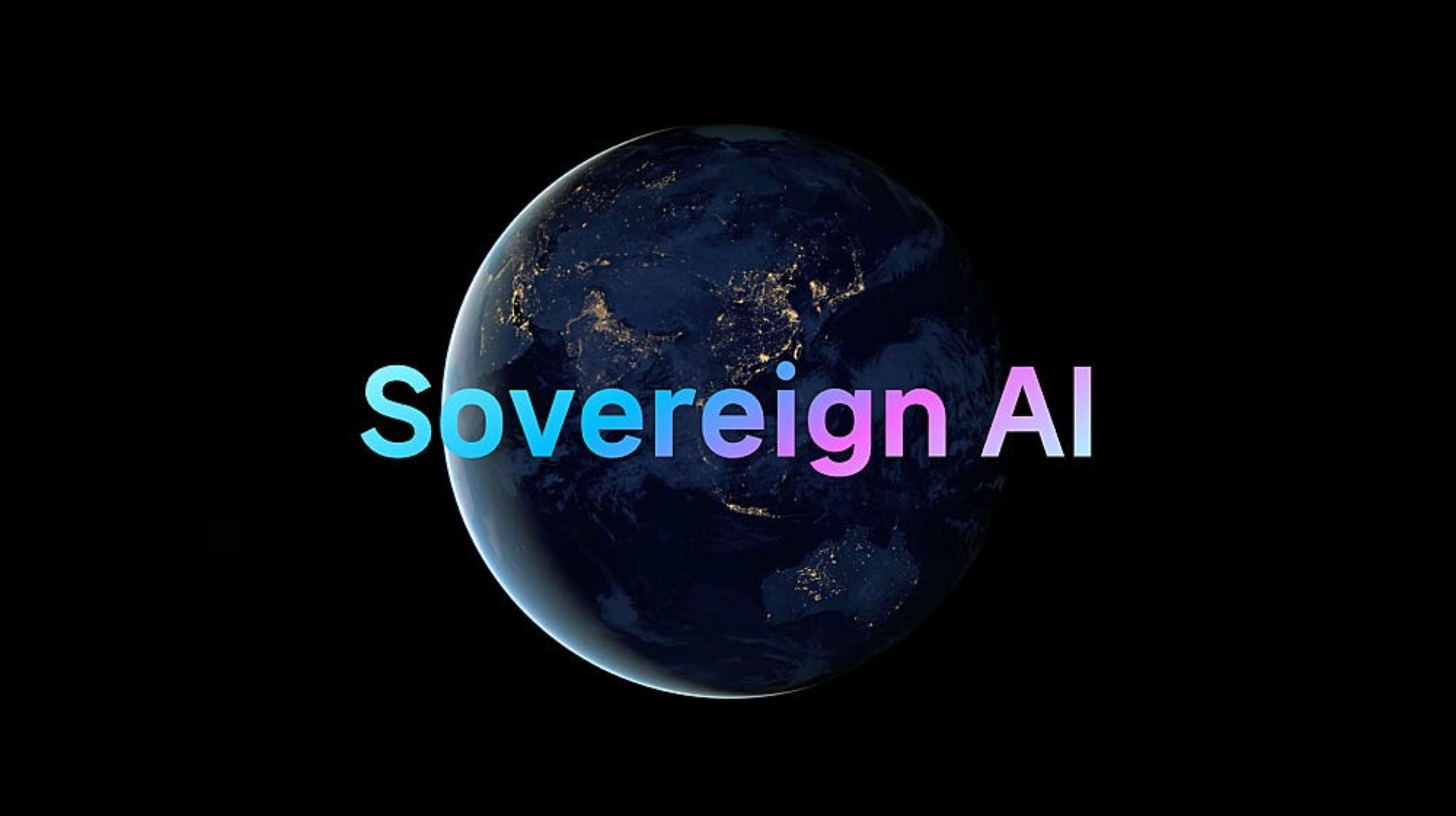
Azure landing zones deployed as code. AI agents inside your tenant, connected to your data. And because we also know how to get you out of Microsoft, our “stay on Azure” is worth something.
US hyperscaler regions are everywhere — including in Europe and Canada. That is precisely what makes the jurisdictional question unavoidable: where a data centre sits tells you nothing about the law that applies to it.
What this map says. A data centre in Frankfurt operated by a US company is still subject to the CLOUD Act. So is one in Quebec City, if the same company operates it. Sovereignty is not decided on a map — it is decided in the architecture, and that is exactly the arbitration we document.
It is almost never a model problem. It is a foundations, governance and integration problem. We build both floors: the platform underneath, the agent on top.
Landing zone architecture, Infrastructure-as-Code deployment, hardening aligned to CIS benchmarks. Your teams keep the templates.
DeployedBusiness agents on your SharePoint and processes, with access policy, logging and an audit trail from day one.
In productionCustom models and RAG pipelines on your data. Control over cost, residency, and what the model is allowed to see.
In your tenantDeployment, adoption and governance across every team. Turning licences on is where the work starts, not where it ends.
Adoption measuredTriage, routing and tracking integrated with your existing systems. We quantify the return on each process before automating a single one.
ROI quantified firstPrivate models hosted in your tenant, or air-gapped when the mandate requires it. Mistral, Delos, OVH and Scaleway deployments.
Air-gapped if requiredA globally recognised credential. Risk governance, compliance and security posture on every mandate — never an add-on.
IT leadership on demand: transformation steering, vendor arbitration, board reporting — with an exit plan.
Landing zones, network, identity and security at scale. What holds when the estate triples.
Agents, RAG, custom models. From the scoping workshop to production inside your tenant.

Remote sites, converging OT and IT, sensitive production data. Resilient landing zones and segmentation.
View the practice →

Fleets, telemetry and embedded systems. Real-time integration without exposing the core network.
View the practice →
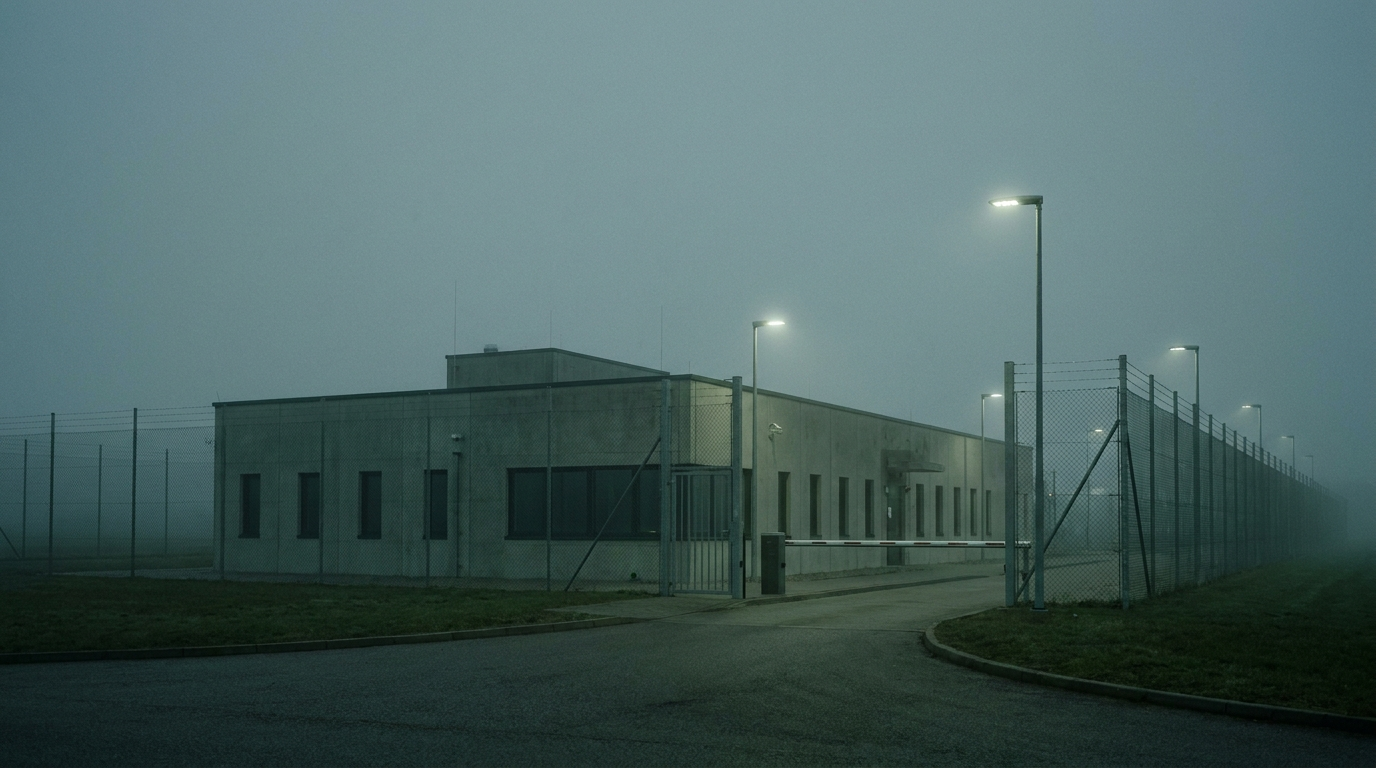
Classified environments, enclave requirements, full exit available. WIN TO LUX and air-gapped infrastructure.
View the practice →
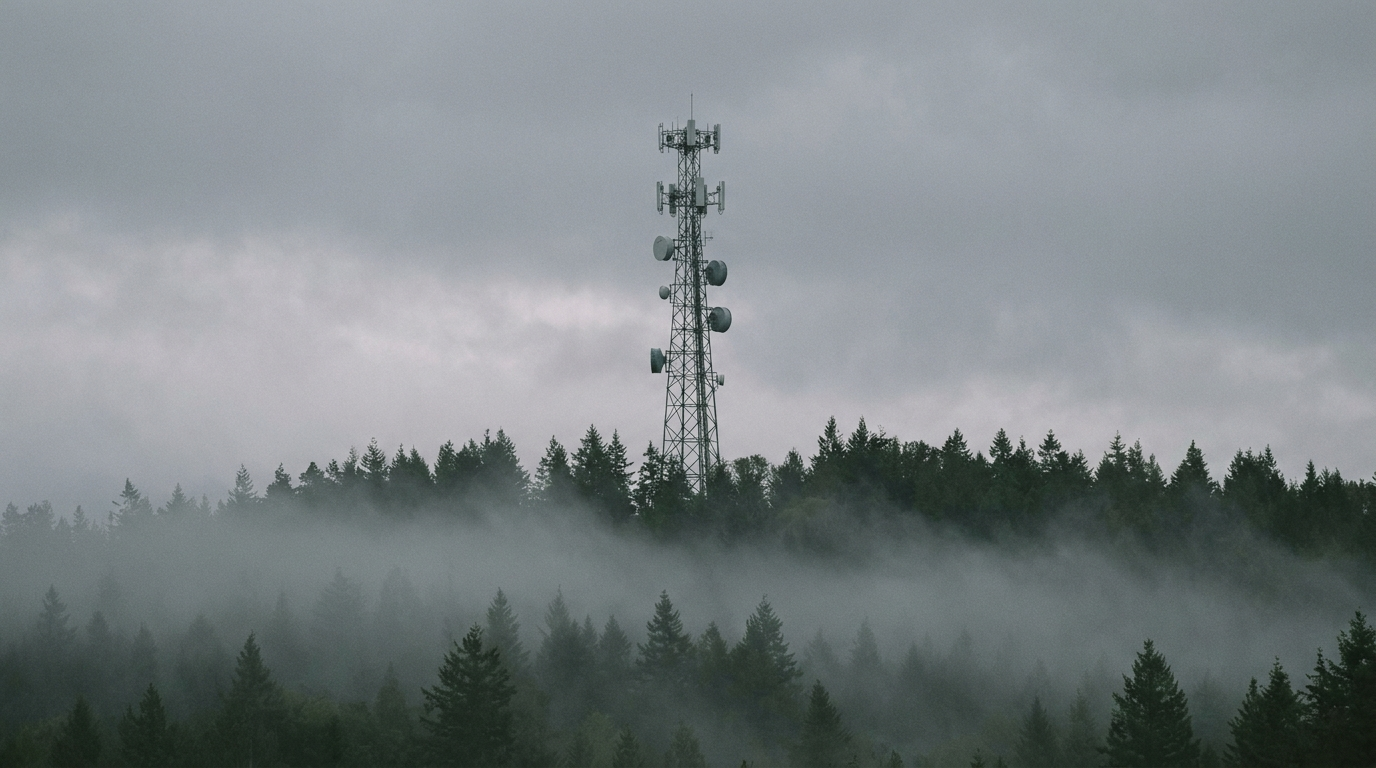
Carrier scale, namespace governance, certificates and DNS across estates of hundreds of thousands of assets.
View the practice →
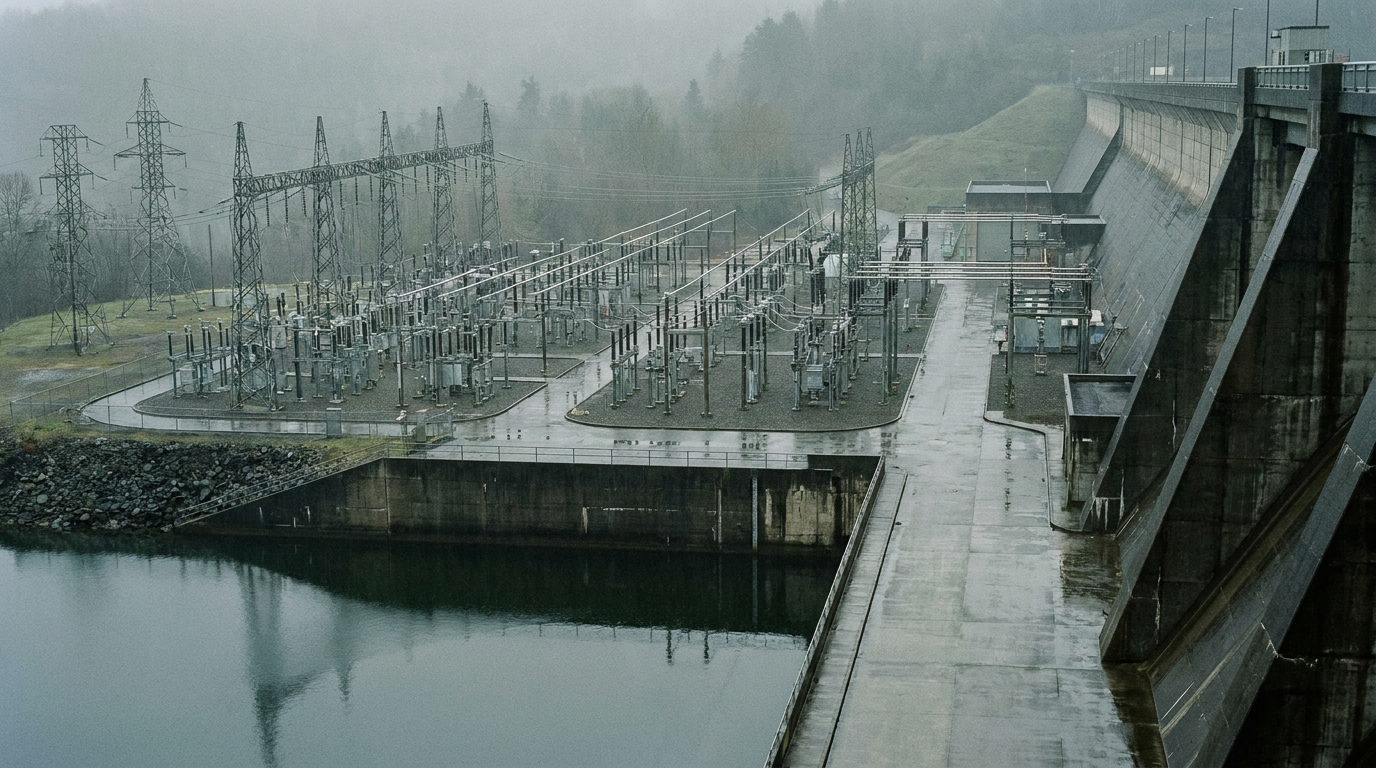
Critical infrastructure under regulatory scrutiny. Continuity, redundancy and continuous proof of compliance.
View the practice →

Supplier dependencies mapped, concentration analysis, change impact across the external estate.
View the practice →We do not sell.

You buy.
The difference is not rhetorical. A firm that sells needs you to sign, and its advice leans that way without anyone deciding it should. We built the opposite: nothing in how we work depends on your signature this week.
Scope is fixed before we start. Deliverables, timeline and amount set in the quote. No billing that drifts.
The quote starts from the need, not a catalogue. We scope first, then price. Answer within five business days.
The demonstration runs on your own domain. No fee, no installation. The report is yours, whether you buy afterwards or not.
We will tell you not to buy when that is the answer. Including not to build anything, or to stay exactly where you are.
No chasing. We answer when you write. We do not pursue anyone.
Nine surfaces of your domain mapped, with no installation and no access to your systems. Report and prioritised fixes.1
A map of the processes worth automating, with the quantified return on each.
An agent scoped, built, governed and delivered on your data, with access policy and audit trail.
A landing zone deployed as code, hardened to CIS benchmarks, with templates your teams reuse on their own.
1 Operated by us on Klarvant Namespace Command. The report is yours, with no purchase condition.
A partner who can only sell Microsoft cannot recommend that you stay: they would say it anyway. A sovereign host cannot recommend it either — they would lose the sale. We build on both sides.
Get the most from your existing investment, cleanly and auditably.
Move beyond Microsoft where — and only where — regulation requires it.
The complete exit, when it is required. This is our rare capability.
Since September 2023, Law 25 has required a documented assessment of the legal regime in the receiving state. That is a CLOUD Act risk analysis the law already mandates.2
Defence industrial base suppliers and organisations holding Canadian or European data: residency mapping, CUI handling, enclave posture.
CLOUD Act and FISA 702 exposure, data residency, qualified sovereign alternatives, an enforceable exit plan.
2 Section 17 of the Act respecting the protection of personal information in the private sector (CQLR c. P-39.1). Our assessment is an architecture document; it does not constitute legal advice.
Zero-integration discovery: no agent, no API key, no privileged access. Your exposed assets are identified from public sources, without expanding your attack surface.
Domains, resolving subdomains, record inventory, change tracking between assessments.
Certificate estate, TLS endpoints, expiry forecasting, post-quantum readiness.
SPF, DKIM and DMARC posture, transport security per host.
Full inventory, geolocation, network operators, endpoint mapping.
Page inventory, security headers, third-party scripts, look-alike detection.
Shadow assets, impersonation and phishing, claim workflow, professional takedown.
Dependency graph, concentration analysis, change-impact monitoring.
Data residency, jurisdiction, endpoint geography, cross-border flows.
Detected-technology inventory with version tracking for vulnerability assessment.
3 Klarvant® and Namespace Command™ are trademarks of Klarvant Ltd. The platform is hosted by the vendor on Google Cloud, US and Europe regions. It observes public sources and accesses none of your systems. We map that dependency like any other, including our own.

The conflict of interest is structural, not moral. It is solved by how the mandate is built.

The law already requires a CLOUD Act risk analysis. Here is the document it expects.

Migration, training, operations. The numbers nobody puts in the proposal.
A demonstration of Klarvant Namespace Command on your own domain. No fee, no installation, no access to your systems. The report is yours.
See your external surface →Or book twenty minutes to scope your need.